
Articles
Tips, Guides, Further Learning
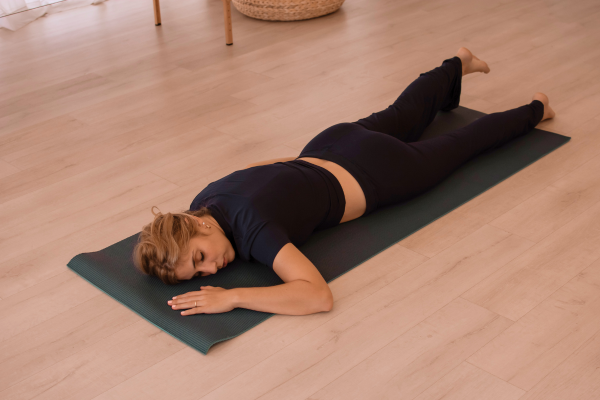
Best Practices for Somatic Movement
Wellness, Somatic Movement
Tips & Best Practices for Using Somatic Movement Safely and Effectively
Somatic Movement can be a powerful way to release tension, reconnect with your body, and support nervous system regulation. While we mostly speak about our Release & Reset Method for career support, it can also be deeply nourishing for the body.
Follow these practical tips and best practices to help improve your results with our methods.
Start with Intention, Not Intensity
Somatic movement is less about “working out” and more about working in. Before you begin a session, perform the Standing Awareness exercise and ask yourself what your body needs. This could feel like general relaxation, energy, grounding, or release. Or, you might feel specific parts of your body that need support such as an achey back, sore shoulder or tired neck. Identifying this before your practice makes the practice more meaningful than simply copying movements from a video or class.
💡 Pro Tip: Start each session by placing a hand on your chest or belly and taking three slow breaths into the lower belly to become more present and leave worries behind.
Prioritize Comfort and Safety in Your Environment
A supportive environment allows your nervous system to soften. If possible, choose a quiet space where you will not be interrupted. Wear loose, comfortable clothing that does not restrict your breathing or movement. If lying on the floor is challenging, reach out to our instructor for advice.
Move Slower Than You Think You Need To
One of the most important pieces of advice is to slow down. When you move slowly, your brain has time to notice subtle sensations and adjust long-held patterns of tension. Try moving at half the speed you normally would. If you feel impatient or restless, that is often a sign you are reaching the edge of your habitual pace, which is exactly where deeper change can happen.
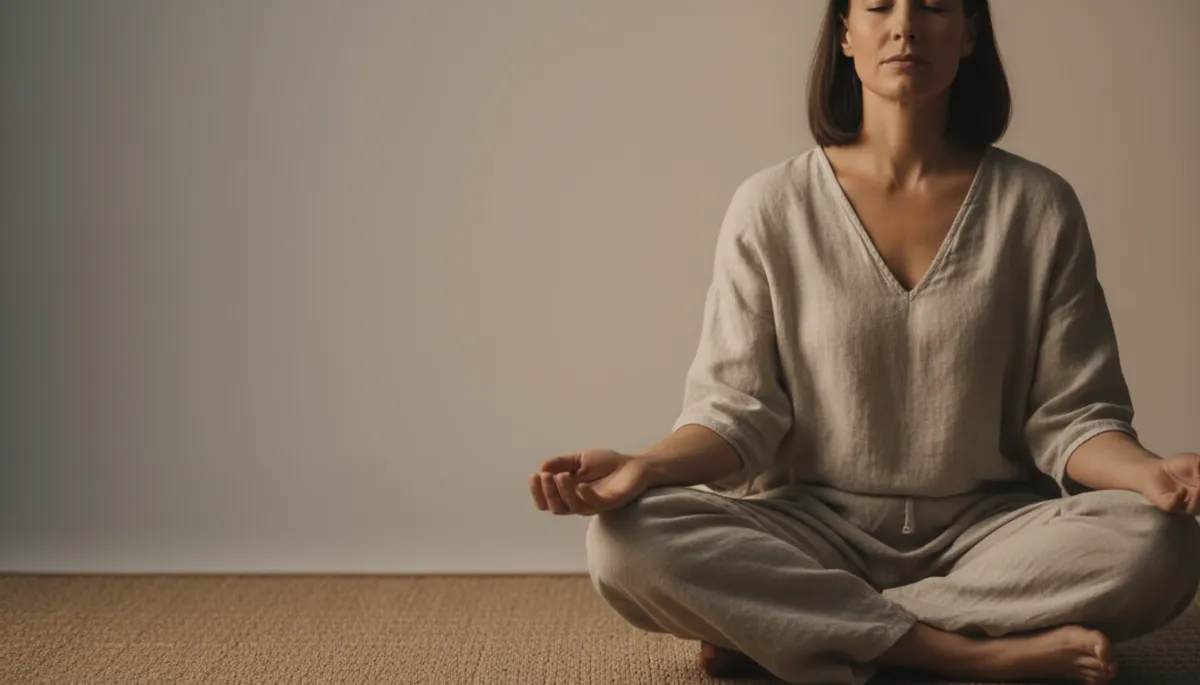
Slowing down movement helps your nervous system register new, more relaxed patterns.
Stay Curious About Sensation, Not Performance
In somatic movement, there is no “right” shape or perfect posture. The focus is on what you feel, not how you look. As you move, gently notice the sensation of your muscles contracting and releasing. This curiosity-based approach helps unwind habitual patterns.
📌 Key Takeaway: If you are wondering “Am I doing this right?” shift the question to “What am I noticing right now?”
Work Within a Pain-Free, Gentle Range of Motion
Our somatic movements should not feel like pushing through pain. The movements should feel effortless. Stay within a range of motion that feels comfortable, or at most mildly challenging. If you notice overwhelming discomfort, reduce the size of the movement, make it smaller. See how that feels. If you still feel discomfort, come back to that movement another day.
Coordinate Movement with Gentle, Natural Breathing
Breath and movement are deeply linked. Rather than forcing a particular breathing pattern, simply notice how your breath responds as you move. If you catch yourself holding your breath, pause, and then begin breathing slowly, naturally.
Include Moments of Stillness and Integration
After a short sequence of movements, take a pause to rest in stillness. Notice any changes in how your body feels. This is a moment that allows the integration of change in your muscles. Your nervous system “records” the new experience of ease or release. Even 20–30 seconds of quiet noticing between movements can make your practice more effective.
Be Consistent, but Keep Sessions Manageable
You do not need long, elaborate routines to benefit from somatic movement. In fact, short, regular sessions often create deeper change than occasional long ones. Aim for 5–20 minutes each day or at minimum 20 minutes a few days per week. Even brief “movement breaks” during the day are beneficial, if you are able. Consistency teaches your body that it can return to the new state it learns in each session.
⚠️ Gentle Reminder: Somatic movement is supportive but not a replacement for medical advice. Consult a professional if you have injuries or a chronic condition.
Closing Thoughts: Let Your Body Lead the Way
At its heart, somatic movement is a practice of listening and connecting. When you move slowly, respect your body's limits, don't push to go higher or bigger, just move to a point that feels comfortable. Pause after each movement to create the conditions for deep, lasting change. Start small, be kind to yourself, and allow your body’s wisdom to guide the pace and direction of your practice over time.




© Copyright Balanced Beauty Pro 2026 All Rights Reserved.